
Drainage for indoor planters
Pots with holes, pots without, and what to do when a decorative container has neither.
Read →This is where you work out what to put a plant in, with guidance built for UK homes and UK winters.
Read the plant care guidesStart with whichever question you actually have: a drainage problem, a plant that needs matching to its pot, or care details for something already on your windowsill.
Pots with holes, pots without, and what to do when a decorative container has neither.
Read →Light, watering and pot preference set out for the houseplants people actually grow in the UK.
Read →Peer-reviewed findings on wellbeing and air quality, with each study's conditions stated alongside the claim.
Read →Placement, grouping and scale for a room, worked through.
Read →Humidity, watering and the pot choices that stop the leaf edges browning.
Read →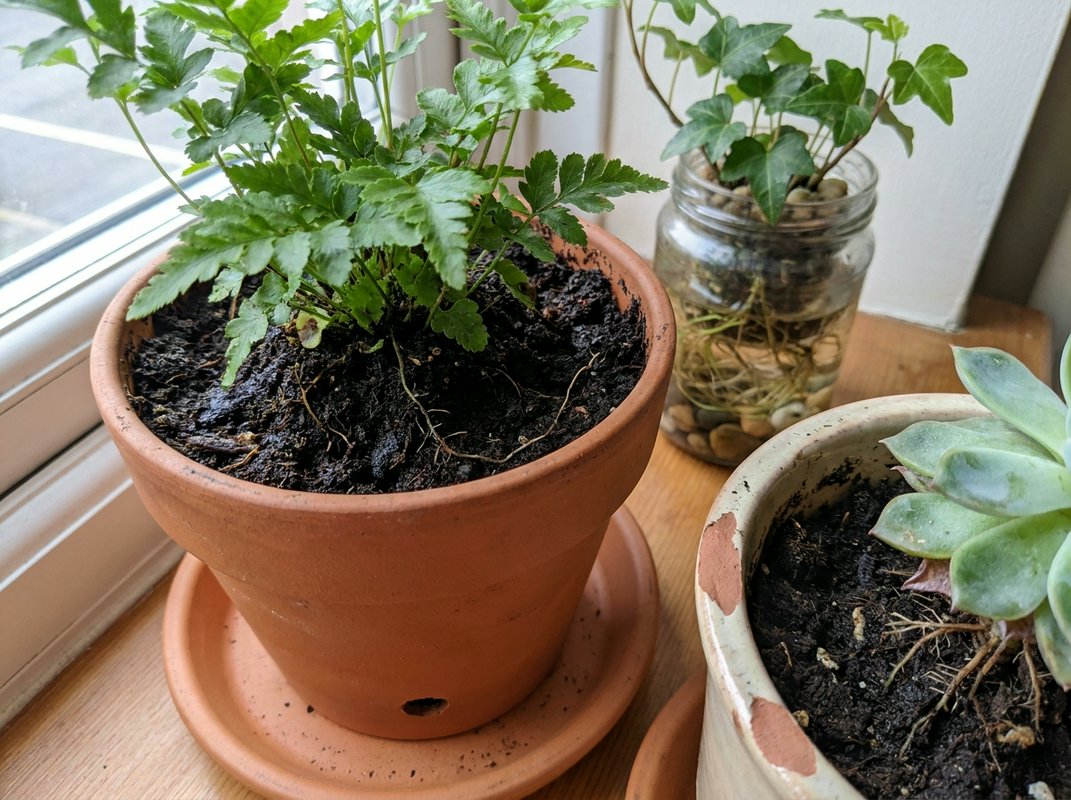
A plant's condition over time comes from two things together: how it's watered, and what it's sitting in. A sealed pot with no drainage hole holds water against the roots long after the surface of the compost looks dry, and a plant can sit in that trapped water for weeks before a single leaf changes colour. By the time the leaves yellow or the roots turn soft and dark, the cause usually traces back to the container.
Size has the same delayed effect. A pot much bigger than the current root ball holds more damp compost than the roots can take up, so the soil at the edges stays wet while the plant can only reach what's near the centre. Terracotta and unglazed ceramic let some of that moisture escape through the pot wall as it evaporates; a glazed or plastic pot keeps it all in, so identical watering produces a different result depending on which one the plant is standing in.
None of this looks urgent while it's happening. A plant in the wrong pot tends to slow down, dry unevenly, or develop brown tips. Working out the material, size and drainage that suit the plant in front of you removes most of that guesswork before the first watering decision is even made, and the care guidance for each plant is written with that in mind.
Get a pot size, a material recommendation or a likely cause for a struggling plant, with the reasoning shown alongside each one.
Enter your pot size and plant condition for a diameter in centimetres and a volume in litres. It can still be wrong.
Read the care guides →Tell it your plant, light level and watering habits, and it suggests a material and drainage setup with its reasoning. It can still be wrong.
See the drainage guide →Describe a symptom and your plant, and it ranks the likely causes with any pot or drainage issue flagged. It can misjudge a cause too.
Read the care guides →Deep pages on the houseplants most people in the UK actually own, with pot preference covered alongside light, watering and soil.
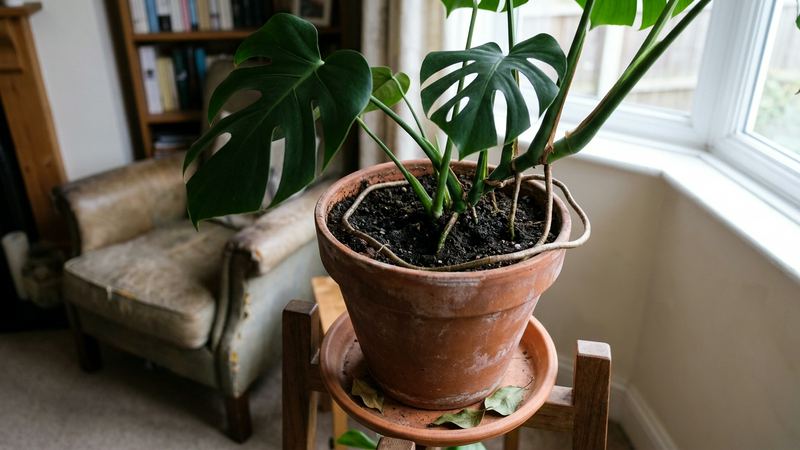
How to care for a monstera in a British home — concrete watering figures, pot material and size, winter light levels and what to do when it goes leggy.

A practical guide to Drainage Setup Checker: what it means, how it works, and how to use the interactive drainage setup checker.

A practical guide to Planter Finder: what it means, how it works, and how to use the interactive planter finder.
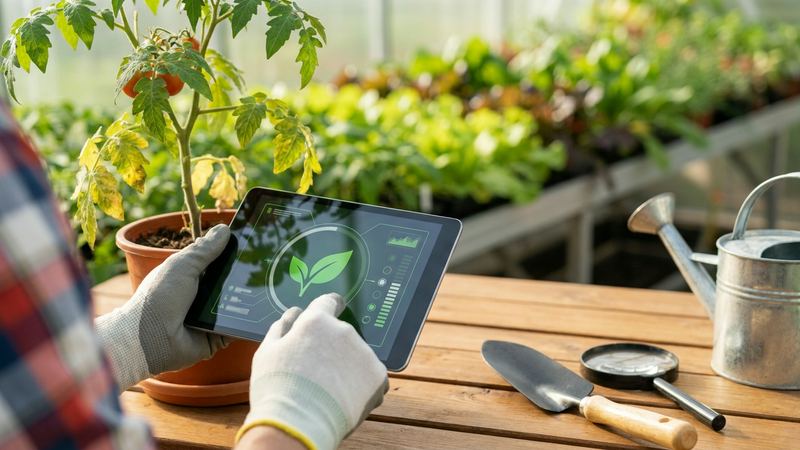
A practical guide to Plant Health Checker: what it means, how it works, and how to use the interactive plant health checker.
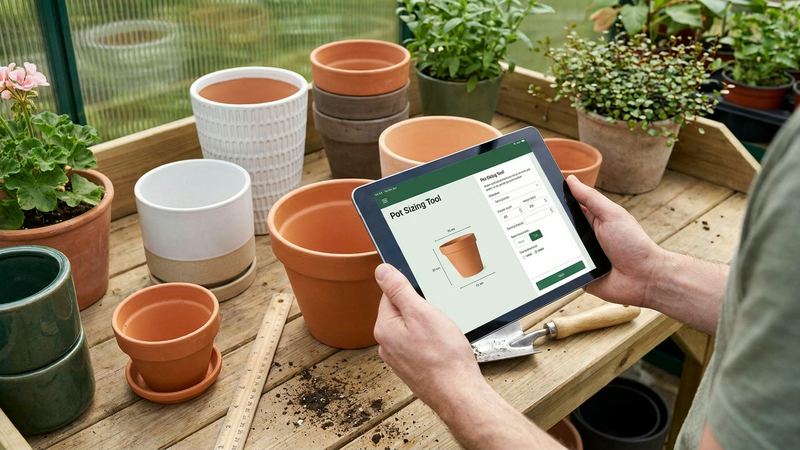
A practical guide to Pot Size Calculator: what it means, how it works, and how to use the interactive pot size calculator.

A practical guide to Plants for My Room Finder: what it means, how it works, and how to use the interactive plants for my room finder.
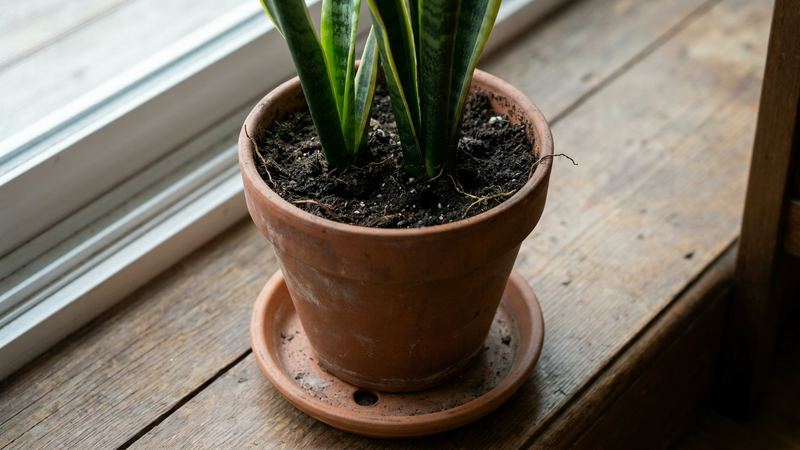
How to care for a snake plant in British conditions — how rarely to water in winter, why terracotta is the best pot, and the one mistake that kills them.
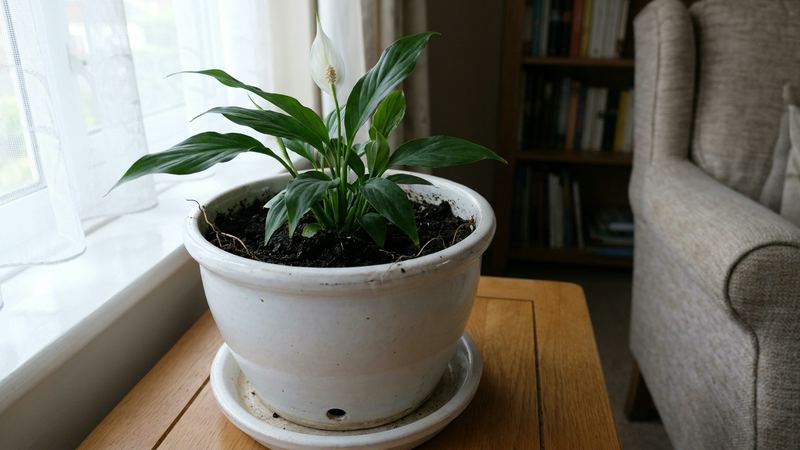
How to care for a peace lily in a British home — watering frequency, humidity in centrally heated rooms, pot material and what drooping actually means.
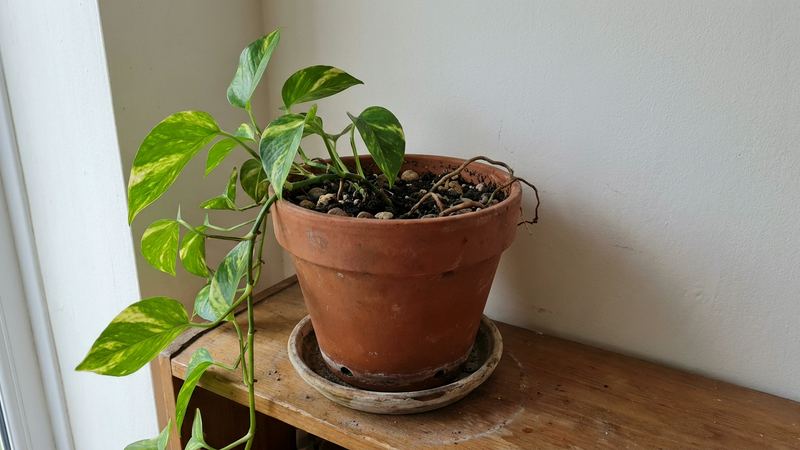
How to care for pothos in British conditions — watering frequency, where to place a trailing plant, pot size for healthy growth and when to propagate.
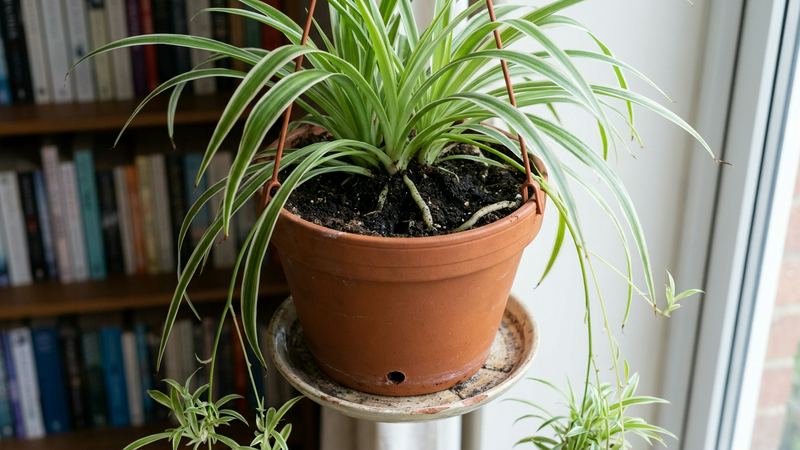
How to care for a spider plant in a British home — watering in winter, what to do with offsets, pot size for a rootbound specimen and brown tips.
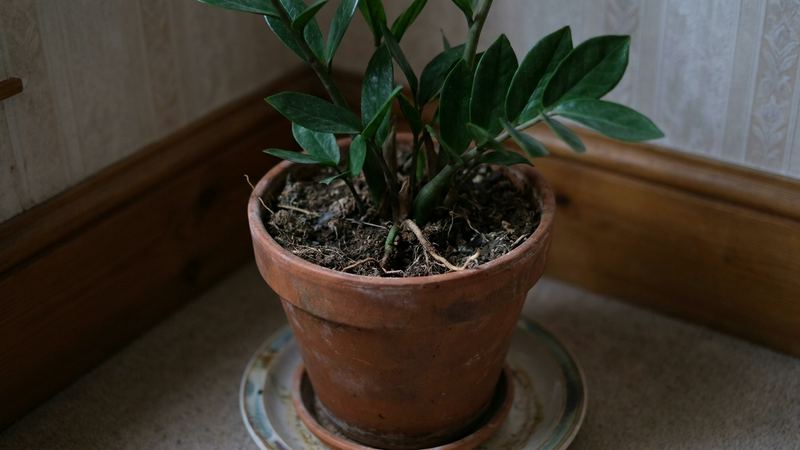
How to care for a ZZ plant in British conditions — genuinely low-light tolerant, rarely needs watering, and the pot material that matches its needs.
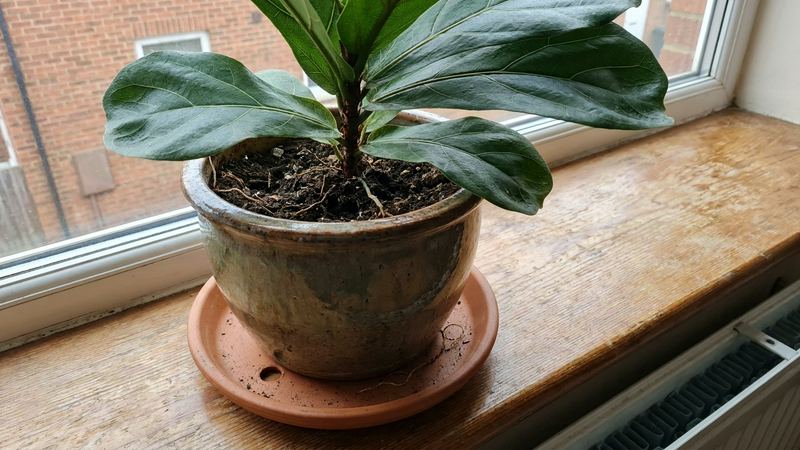
How to care for a fiddle leaf fig in a British home — the light it needs, precise watering, pot sizing and the brown spots that mean you got it wrong.
A directory tells you who sells and makes planters across the UK. Once you've chosen, the next question is usually how to look after whatever is going in it.