
Which planter material actually suits your plant?
Ceramic, terracotta, plastic and fibreglass each hold water, weight and heat differently, and that difference decides whether a plant settles in or struggles. This page is for anyone choosing a pot for a plant they already have, or matching a new plant to the right container.
Check your drainage setup Check your plant's symptomsWhy a glazed finish changes how often you water
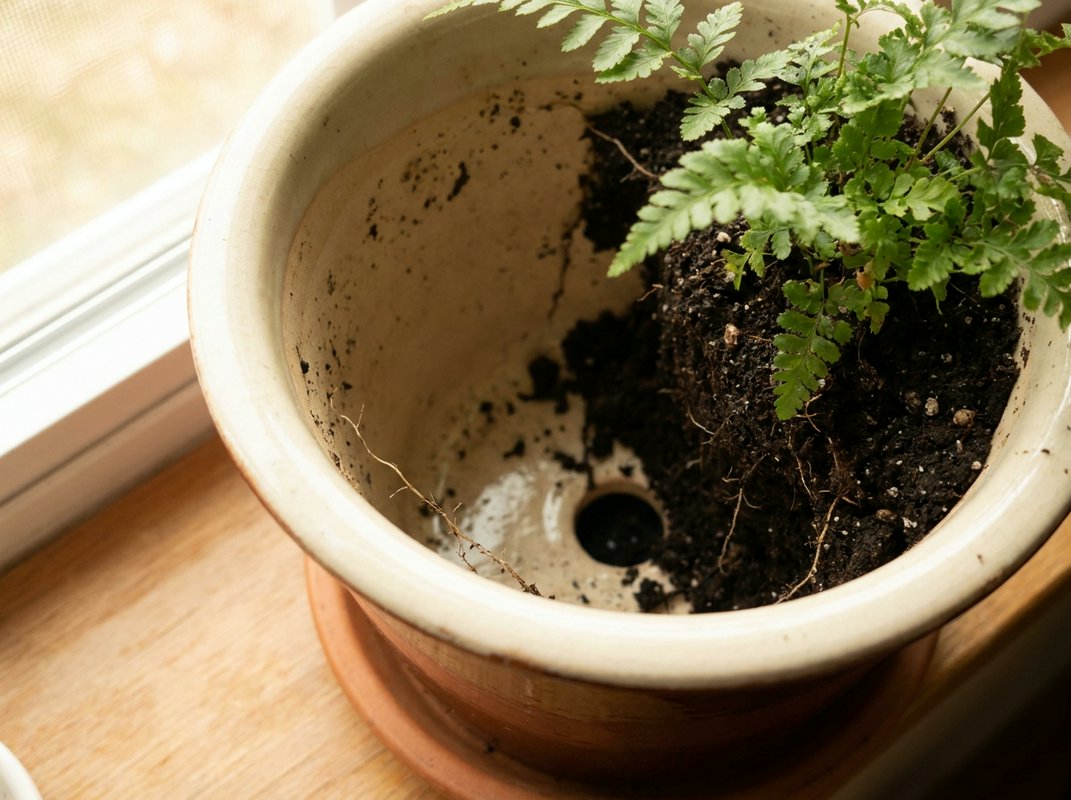
Ceramic looks like one material, but the glaze on the outside does most of the work in deciding how it behaves. A glazed surface seals the clay so water cannot pass through the pot wall, which is the opposite of how an unglazed pot works. Any moisture leaving the soil has to evaporate from the surface or be taken up by the roots, so the soil in a glazed ceramic pot stays wet for longer than the same soil would in a porous one.
That slower drying changes how you have to judge when to water. With an unglazed pot you can often tell by the colour and feel of the clay itself. A glazed pot gives nothing away on the outside, so you are checking the soil directly, by pushing a finger in or lifting the pot to feel its weight.
The held moisture suits plants that resent drying out between waterings, such as a peace lily, and it is unforgiving for anything that needs its roots to dry out fully first. A succulent or cactus kept in a sealed glazed pot is sitting in damp soil for longer than its roots are built to tolerate, whatever the watering schedule says on paper.
Many glazed pots are sold without a drainage hole at all, which adds a second layer to this problem: the water that stays in the soil for longer also has nowhere to escape if too much goes in. If you are weighing a glazed pot against terracotta or a plastic liner for a specific plant, the Planter Finder takes your plant, room light and watering habits and gives back a material it suits.
What makes terracotta dry out so quickly
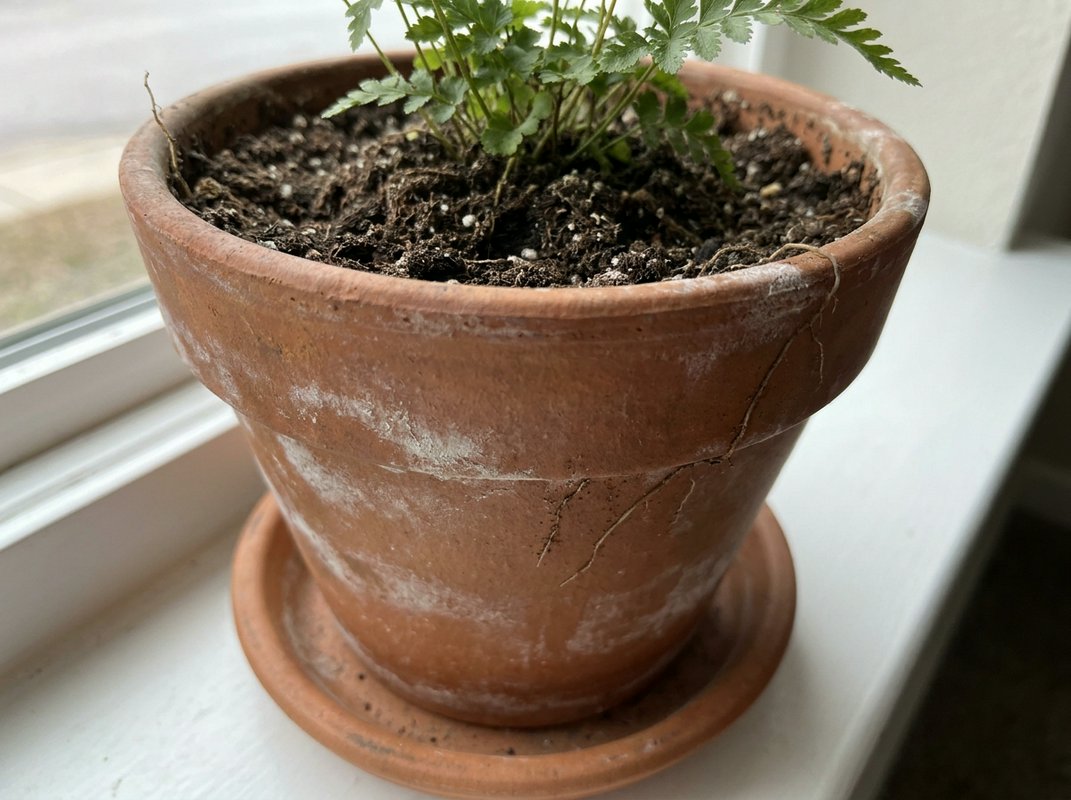
Terracotta is clay fired without a glaze, and the bare surface stays porous once it comes out of the kiln. Water in the soil migrates through the pot wall as well as evaporating from the surface, so a terracotta pot loses moisture from two directions at once. The same watering schedule leaves terracotta soil noticeably drier than ceramic or plastic soil within a few days.
For a plant that wants its soil to dry out between waterings, that speed works in its favour. Snake plants, succulents and cacti all do better when the soil spends more time dry than wet, and terracotta's drying rate cuts the chance of roots sitting in damp soil for days after watering.
Ferns want the opposite. They expect soil that stays evenly moist, and terracotta can dry out the root zone before the plant has used the water it needs, especially in a centrally heated room over a British winter where the air is already drawing moisture out of the pot. A fern in terracotta usually needs watering more often than the same fern in a glazed or plastic pot, and a missed watering shows up faster.
Use the Planter Finder tool to check whether terracotta suits the plant and watering habits you actually have, since the drying rate that helps one plant can work against another in the same room.
Why plastic needs a drainage hole more than any other material
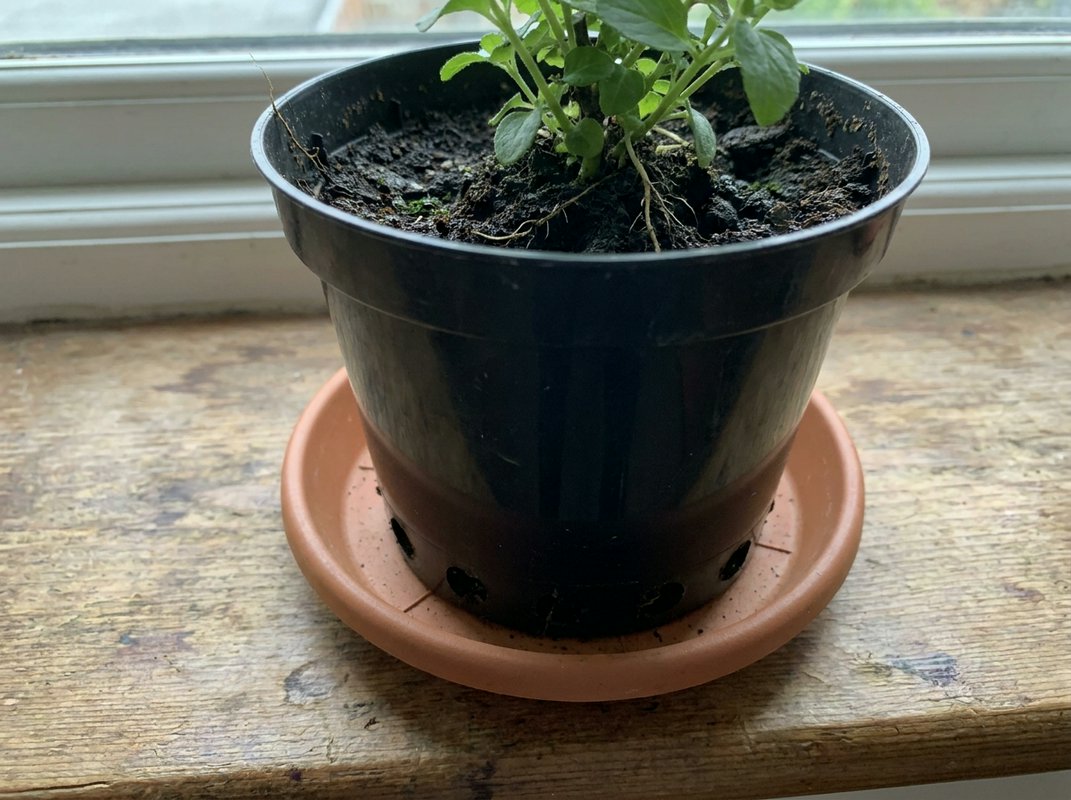
Plastic does not pull moisture out of the soil the way terracotta does, and it does not transfer heat or cold through its wall the way metal or concrete does. Water stays where it lands, which keeps the soil damp for longer between waterings and suits plants that dislike drying out completely. It is also the lightest material here by some margin.
That same quality makes a drainage hole non-negotiable. Without one, water applied at the top has nowhere to go once the soil below is saturated, and it sits around the roots until they start to rot. A saucer under the hole catches what drains through, and that excess needs emptying.
Cheap plastic also has a weak point outdoors. UV exposure breaks the plastic down over a British summer on a balcony or doorstep, and a pot that looked fine in spring can turn brittle and crack by autumn. If a houseplant is spending the warmer months outside, check the pot is rated for outdoor use.
Use the Planter Finder to see whether plastic suits a specific plant's watering habits, or whether something with more buffering, such as glazed ceramic, would hold up better in a warm room.
Beyond ceramic and terracotta: fibreglass, concrete, woven, metal and self-watering pots
Four more materials turn up in planters, and none of them behave like ceramic or terracotta. Each solves one problem and creates another, so it helps to know what you are trading before the plant tells you.
Fibreglass
Fibreglass does not absorb water the way terracotta does, and it does not hold heat the way concrete does. It is moulded rather than fired, which keeps it light enough to lift as a large floor planter where a ceramic pot of the same size would need two people. The trade-off is that moisture sits in the soil rather than wicking out through the pot wall, so watering has to follow the plant's own signs of dryness rather than any habit you have built around a heavier material.
Concrete
Concrete holds its shape and its position, which is useful on a doorstep or a draughty hallway floor where you do not want a pot to tip or slide. It is porous, though far less so than terracotta, and it holds onto heat and cold rather than buffering them, so a plant sitting against an unheated wall in winter feels more of that cold through the pot than it would in plastic. New concrete can also raise the pH of the soil near the pot wall for a period after planting, which is worth knowing if a plant that prefers acidic soil goes in fresh concrete.
Woven planters
A woven basket, in rattan, seagrass or a similar fibre, is almost never a planter in its own right. It has no drainage hole and no way to survive direct contact with wet soil for long, so it is doing a decorative job around a plastic or ceramic liner pot that does the actual holding of water and roots. Skip the liner and water the basket directly, and the fibres will soften, stain and eventually give way.
Metal
Metal pots, usually zinc or galvanised steel, conduct heat and cold more readily than any other material here, which matters most for a plant standing close to a cold window or a radiator. Few are sold with a drainage hole, and drilling one risks exposing bare metal to water and starting it rusting from the inside. Condensation can also build up against the inner wall as the soil and the plant release moisture, so a metal pot without a liner tends to run wetter at the base than its weight and finish suggest.
Self-watering reservoirs
A self-watering planter holds a reservoir of water beneath the soil, and a wick, a length of absorbent material running from the water up into the root zone, draws moisture upward as the soil dries. That keeps the soil at a steady level of dampness without daily attention, which suits plants that dislike drying out completely between waterings. It is the wrong setup for a plant that needs its soil to dry out fully before the next drink, which is exactly the habit succulents and cacti rely on, so a wick system left running under one of those plants keeps the roots wetter than they can tolerate for long.
None of these five answer the drainage question on their own. Whatever the reservoir or the fibre is doing, a pot still needs somewhere for excess water to go, which is worth checking against the drainage options before you commit a specific plant to one. The Planter Finder tool takes a plant, a room's light level and a watering habit and sets them against the materials above, so you can see which one fits. Where a change of material coincides with a plant that has outgrown its current pot, the Pot Size Calculator takes the current pot's diameter and the plant's condition and gives back a new diameter and volume in litres, so the size and the material are not being guessed at together.
Planter materials compared on moisture, drainage and plant fit
Read down the first column for the plant you're trying to suit. The columns show what each material does to moisture and drainage, since that decides whether a plant thrives or sits in damp soil.
| Material | Moisture retention | Watch out for | Best suited to |
|---|---|---|---|
| Glazed ceramicEasy to wipe clean, heavier than plastic at the same size | Holds moisture well | Often no drainage hole | Peace lily, calathea, moisture-lovers |
| TerracottaThe porous clay can crack if left out in a hard frost | Dries out quickly | Can dry too fast for ferns | Succulents, cacti, overwaterers |
| PlasticCheap plastic can turn brittle after a summer in direct sun | Retains moisture well | Needs a drainage hole | Steady-moisture plants, lightweight needs |
| FibreglassLighter than concrete at a similar size | Moderate retention | Check the drainage set-up before choosing | Large floor-standing plants |
| ConcreteNew concrete can leach alkalinity, rinse the pot before planting | Low to moderate retention | Heavy, awkward to move once filled | Permanent spots, busy thresholds |
| Self-watering planterA wick draws water up from the reservoir into the soil | High, fed by a reservoir | Harms succulents and cacti | Peace lily, fiddle leaf fig, plants that wilt between waterings |
This sets out general behaviour for each material, since finish and wall thickness vary between manufacturers. Metal and woven pots are usually sold as decorative outer covers, as few come with a drainage hole of their own. If you'd rather start from your own plant, room and watering habits, the Planter Finder tool asks a few questions and suggests a material and drainage setup to match, though it works from general patterns and won't catch every unusual case. Once you've picked a material, the Pot Size Calculator can work out the diameter and volume to look for next, based on the pot the plant is already in.
Material sorted. What are you planting in it?
The right material only gets you so far if the plant itself is a poor match for the room it sits in. Use the Planter Finder tool to get a specific material recommendation for your plant, room and watering habits, though it won't always get an unusual case right.